The Top 10 Personality Traits of the World’s Best Investors

Good investors understand the market and have a clear strategy for success. But the best investors have something extra: the personality traits to win the investment game in the long run. For this post, I’ve researched and listed the top 10 personality traits of some of the world’s best investors (in no particular order). So if you’re wondering what type of behavioral characteristics will help you achieve more financial success, you’ll want to take a page out of each of their books.
Video version of this guide
Benjamin Graham: Discipline
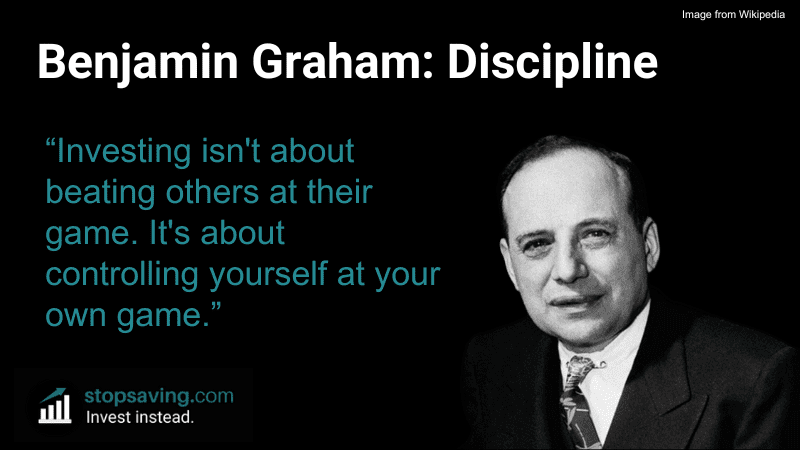
Benjamin Graham is the father of value investing. He was also Warren Buffett’s mentor. Graham had a disciplined approach to picking stocks: to analyze a company inside out to find hidden value before the rest of the market. His method was based on strict rules, which he laid out in his best-selling book, “The Intelligent Investor”. Today, Graham’s book is still the go-to manual for value investors.
Warren Buffett: Patience

The “Oracle of Omaha” has beaten the market time again by being a patient investor. Buffett’s investment company, Berkshire Hathaway, currently has around half of its portfolio in Apple stock. Some would say that’s a bit risky. But for Buffet, it makes perfect sense: he did his research on Apple early on, and had the patience to hold onto the stock for the long run. He’s a true long-term investor – and he couldn’t care less about short-term gains.
Philip Fisher: Thoroughness
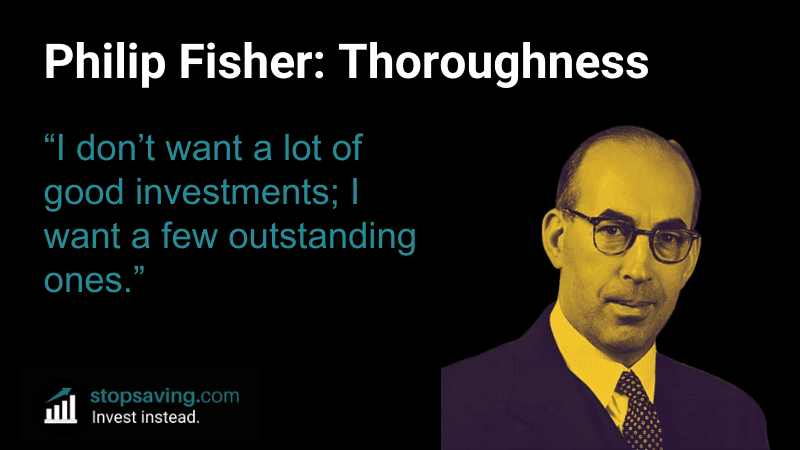
Phillip Fisher was a pioneer of growth investing. His investment philosophy was built on investing in high-quality growth companies with the potential for long-term success. Fisher was extremely thorough when picking stocks. Before he invested, he made sure he had a detailed understanding of a company’s operations, management, and market position. This helped him make some exceptional investment decisions, like buying Motorola in 1955 and holding it until he died in 2004.

John Templeton: Optimism
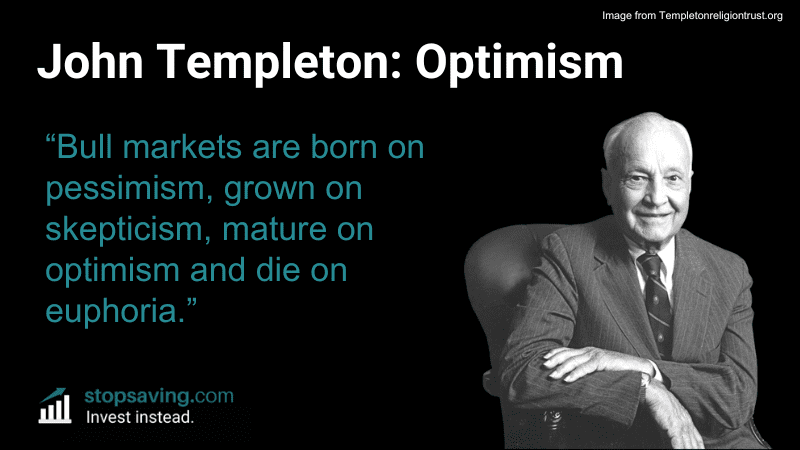
John Templeton was a glass-half-full kind of investor. He had a knack for buying low when most people were bearish. For example, he bought Japanese stocks in the 1960s, when most American investors wouldn’t go near them. Templeton’s optimistic outlook helped his Templeton Growth Fund average around 14.5% growth per year from 1954 until he retired in 1992.
Peter Lynch: Curiosity
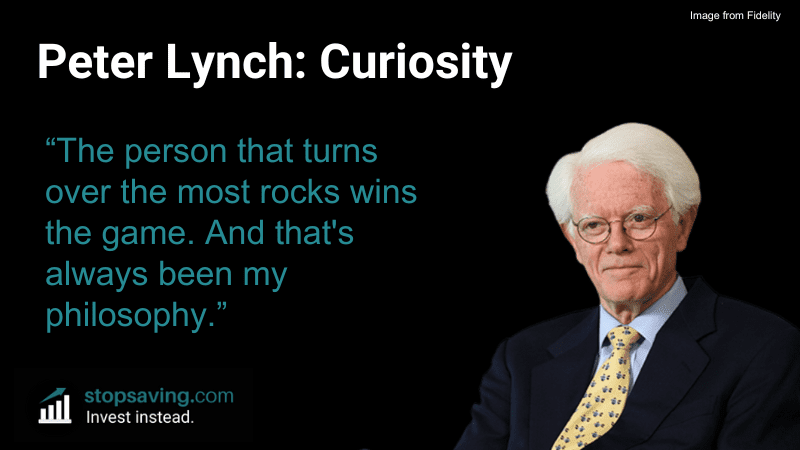
Peter Lynch ran Fidelity’s Magellan Fund between 1977 and 1990, clocking up an average yearly return of 29.2%. Under Lynch’s management, the fund grew its assets from $18 million to $14 billion. Lynch was always curious about how everyday businesses work. By leaving no stone unturned, he was able to spot hidden investment gems before the herd. This included high-growth companies like Taco Bell and La Quinta.
Carl Icahn: Tenacity
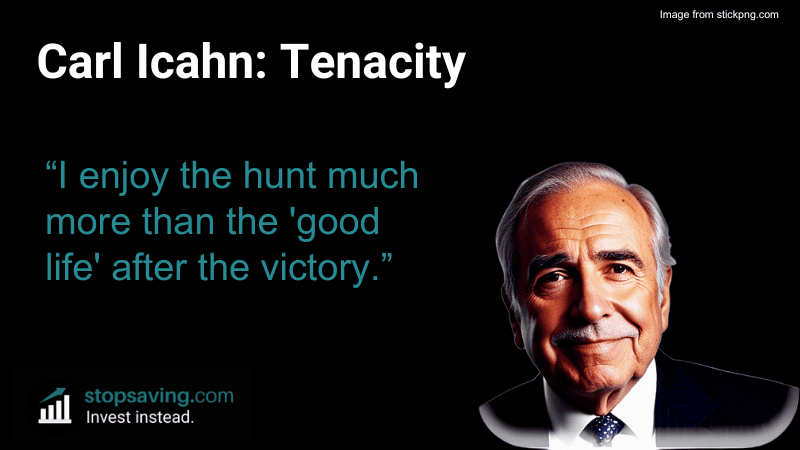
Carl Icahn made activist investing and corporate raiding popular among hedge funds. His strategy involves buying large stakes in companies with hidden potential, and then pressuring management to make changes for the good of shareholders. Icahn has a roster of impressive deals to his name, which has influenced companies like Marvel Comics, Netflix, Blockbuster Video, Pan Am, and Texaco. His tenacious nature has given him the backbone to push for corporate changes – despite resistance from company management and founders.
George Soros: Confidence
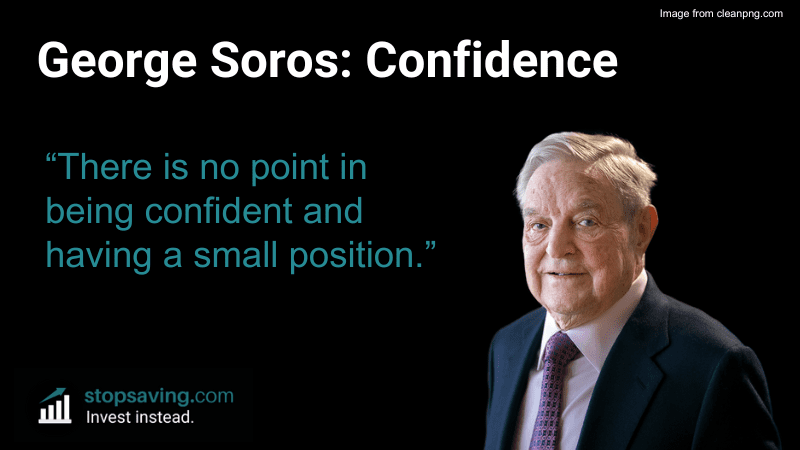
Soros’s Quantum Fund compounded by over 30% per year from 1973 to 2011. His bet against the British Pound in 1992 during the Black Wednesday UK currency crash is a classic example of his confident investment style. Here, Soros “broke the bank of England” by shorting $10 billion worth of pounds sterling – earning him a staggering $1 billion in profit. Soros’s conviction to back himself with big, concentrated bets has set him apart as an investor and fund manager.

Ray Dalio: Open-mindedness
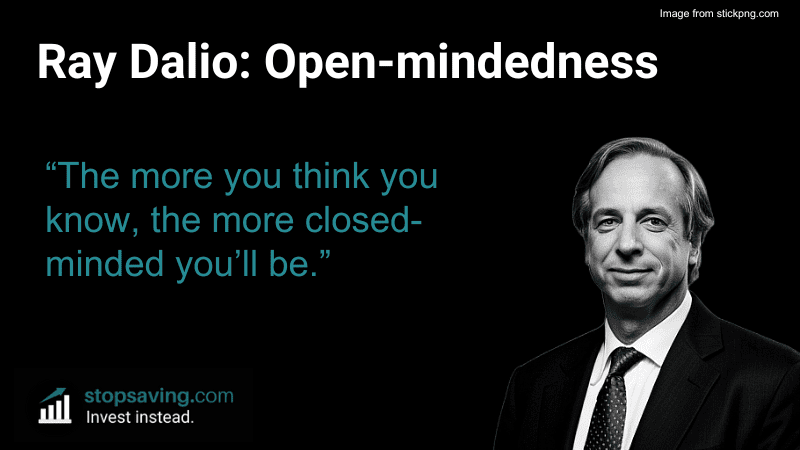
Ray Dalio co-founded the world’s biggest hedge fund, Bridgewater Associates, which currently has around $125 billion worth of investments to its name. By being open-minded, Dalio was able to consider a wide range of viewpoints and ideas to refine his investment approach. This helped Dalio and his team create the “risk parity” investment strategy. The strategy goes against the grain of the traditional 60% stocks and 40% bonds portfolio. It tends to put more in bonds and commodities than stocks. You can learn more about Ray Dalio and how to replicate his All Weather Fund here.
Jim Simons: Vision
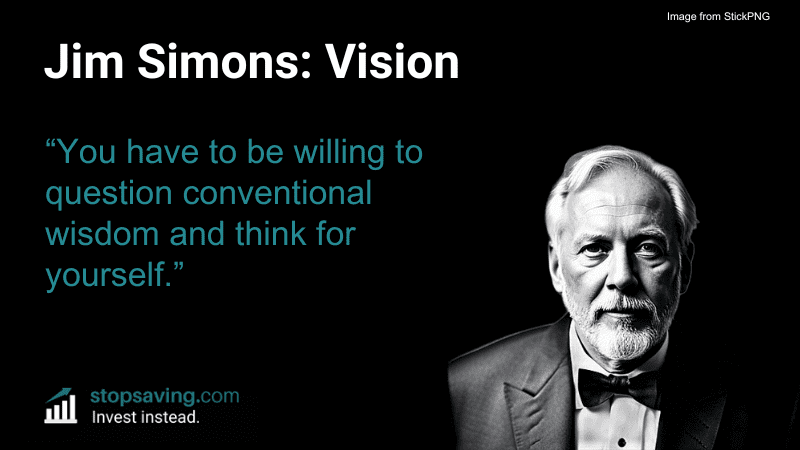
Jim Simons, a former mathematician and codebreaker, started Renaissance Technologies (RenTech) in 1982. Today, it’s the second-biggest hedge fund group in the world, with over $100 billion of assets under management. RenTech has an “employee only” fund called Medallion, which has earned an astonishing 60%-plus per year on average since it began trading in 1988. Simons had the early vision to use mathematical models and pattern recognition in the markets. And in case you’re wondering, RenTech keeps its investment strategies on the down-low!
David Swensen: Adaptability
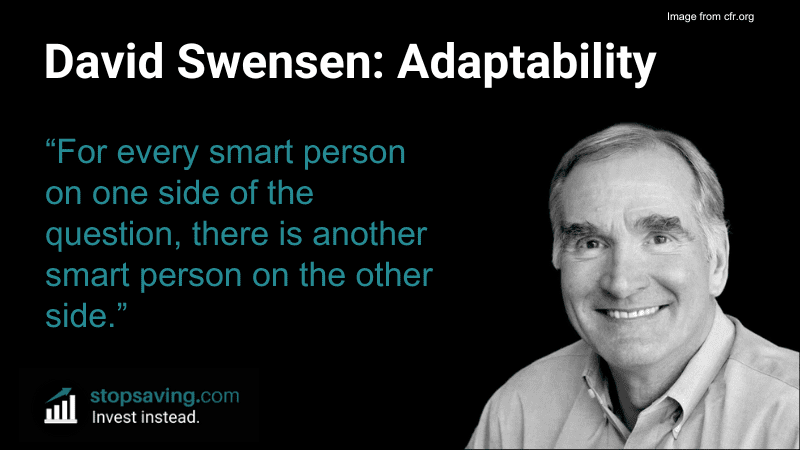
David Swensen was the chief investment officer at Yale University from 1985 until his passing in 2021. In that time, he grew the Yale endowment fund from $1 billion to over $31 billion using his “Yale Model” of investing. Swensen revolutionized endowment investing by adapting to the changing investment landscape. He spread his bets into non-traditional asset classes like private equity, hedge funds, real estate, and natural resources. This approach yielded excellent returns and influenced endowment strategies worldwide.
Which personality traits resonate the most with you as an investor?
Let’s face it, most of us don’t naturally have all of the above personality traits. But when it comes to investing, you can learn to develop them over time. You can then mix and match these traits to suit your investment style. For example, you might make confident bets like George Soros, with the optimism of John Templeton. In that case, you might want to temper those bets with the adaptability of David Swensen and the patience of Warren Buffet. Remember, it’s not about copying these investing legends to a tee. It’s about taking a bit of what they’ve got, adding your own spin, and building an investment style that’s uniquely yours.
This article was first published in January 2023 and has been updated with a video guide in June 2024. If you liked this post, sign up for our free newsletter for more how-to guides and investment ideas!
About the author: Jonathan Hobbs holds the Chartered Financial Analyst ® designation. Jon once managed the investments for a boutique crypto hedge fund, and is the author of three investment books. Before that, Jon came from the traditional finance world, working at firms like Morgan Stanley, HSBC, and M&G Investments.